6 min read
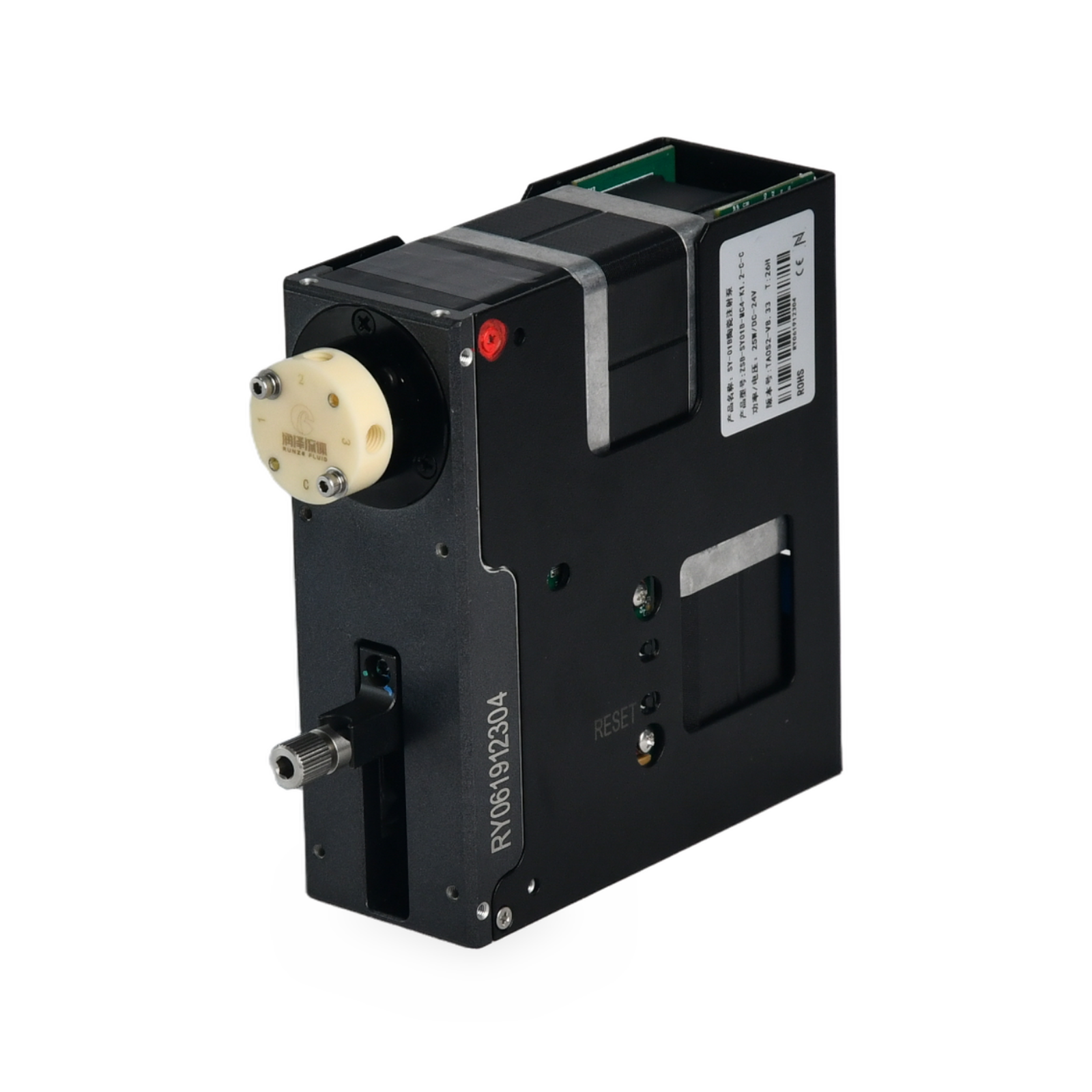
SY01B Stall Current Setting and Speed Verification
Verify the exact model, protocol version, current limits, response definition, and documented speed boundary before changing SY01B parameters.
Read article >
Practical English guidance for selecting, integrating, testing, and maintaining pumps, valves, tubing, and fluidic connections. These articles are independently rewritten from Runze source material for engineering use.
Selection, installation, flow calculation, and calibration guidance for syringe and peristaltic pumps.
Verify the exact model, protocol version, current limits, response definition, and documented speed boundary before changing SY01B parameters.
Read article >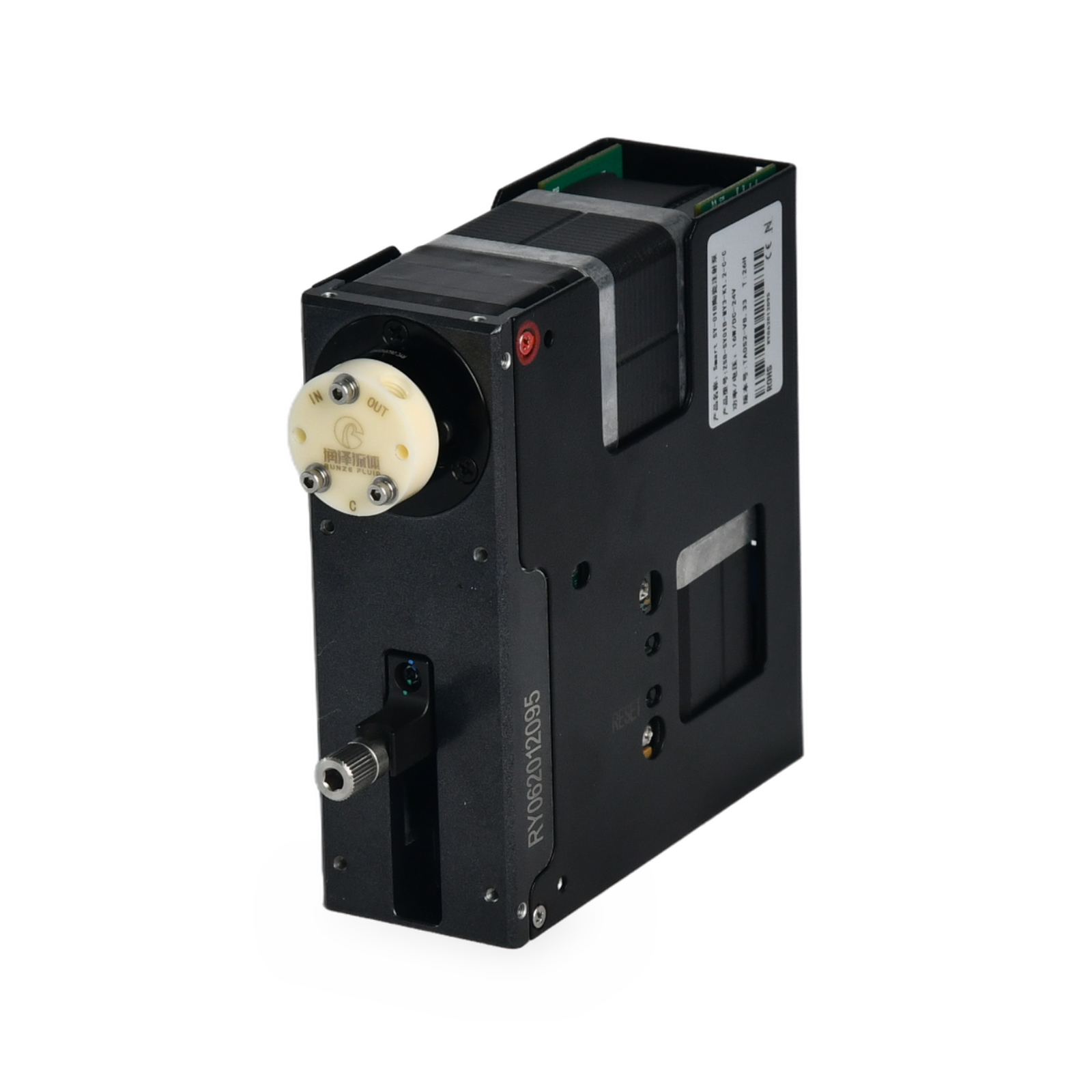
Troubleshoot CANComm no-response conditions by separating adapter settings from device CAN baud, wiring, addressing, and protocol checks.
Read article >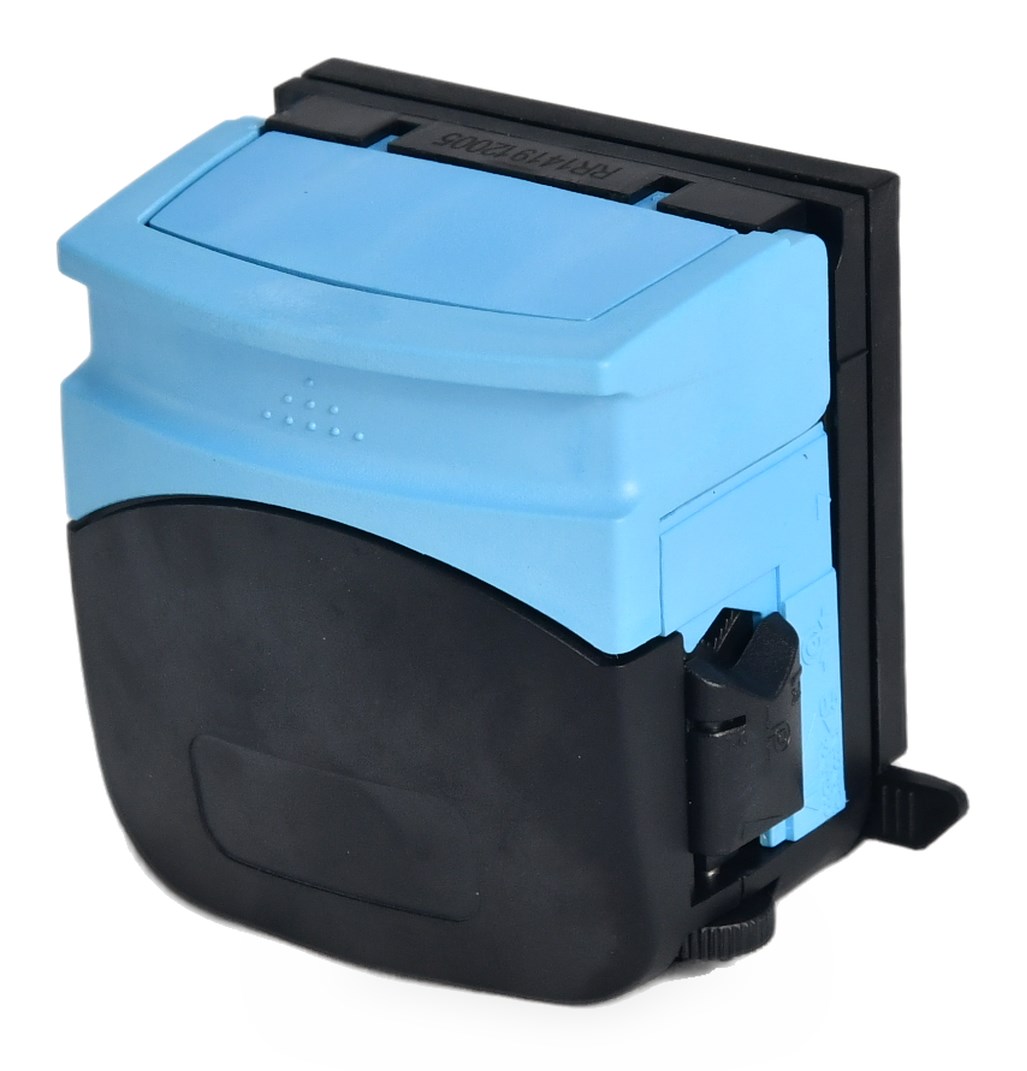
Check the approved tube assembly, installation, direction, inlet path, suction conditions, and outlet restriction when an FG-16 head rotates without priming.
Read article >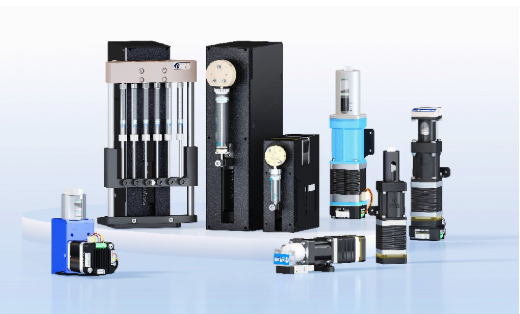
Convert syringe geometry and actuator motion into a defensible flow estimate, then validate the result at the outlet.
Read article >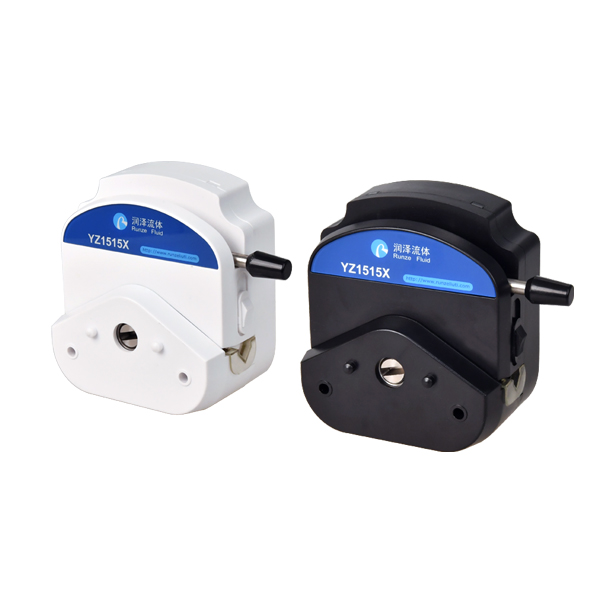
Understand why nominal peristaltic pump flow changes with tubing, occlusion, pressure, speed, and service time.
Read article >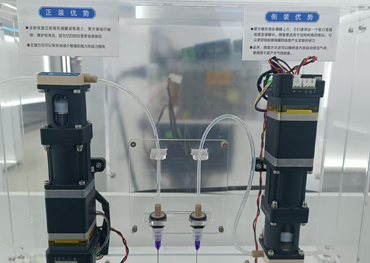
Choose an installation orientation by evaluating air management, leakage containment, maintenance access, and instrument geometry.
Read article >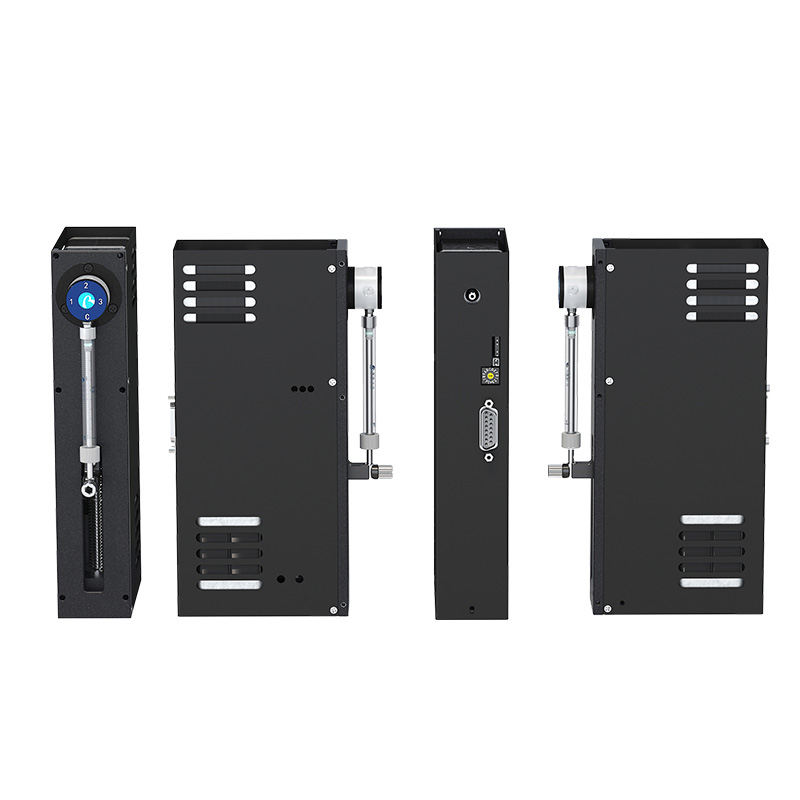
A structured way to compare SY-06B with an existing syringe pump without assuming mechanical, electrical, or fluidic interchangeability.
Read article >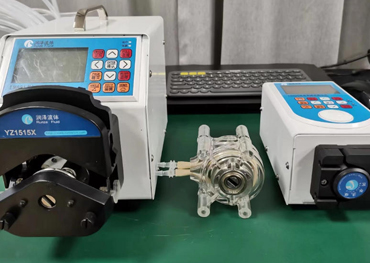
Separate suction lift, discharge elevation, line loss, and pressure capability when reviewing a peristaltic pump application.
Read article >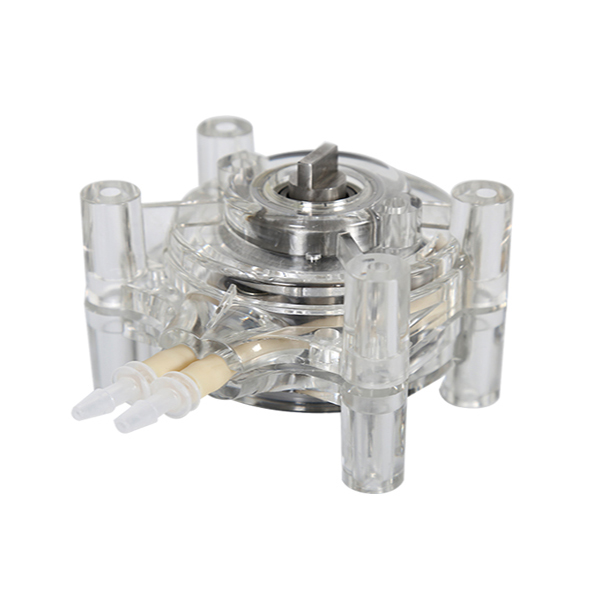
An engineering overview of peristaltic pump operation, strengths, limitations, and selection inputs.
Read article >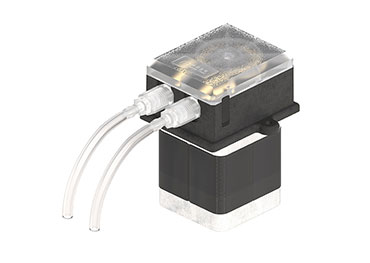
Set an initial speed, measure real delivery, calculate a correction, and record a calibration that matches the actual fluid path.
Read article >Practical guidance for tubing dimensions, materials, fittings, and check-valve selection.
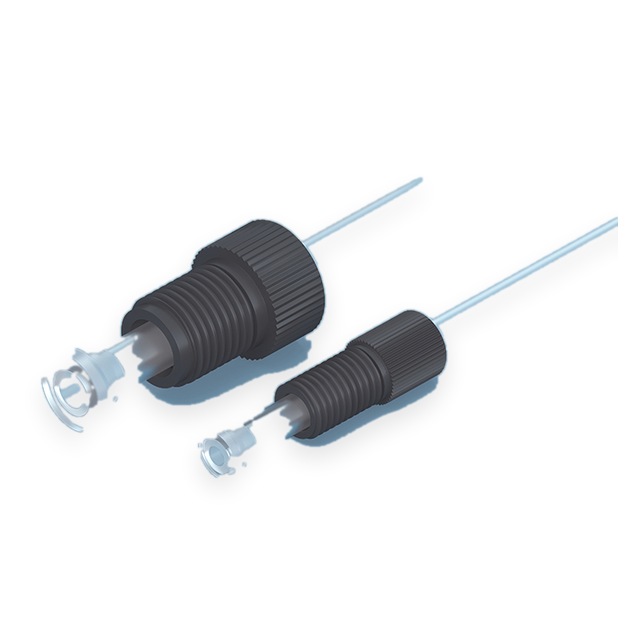
Compare thread form, engagement length, tubing interface, seal geometry, bore, wetted volume, material, and operating conditions before replacement testing.
Read article >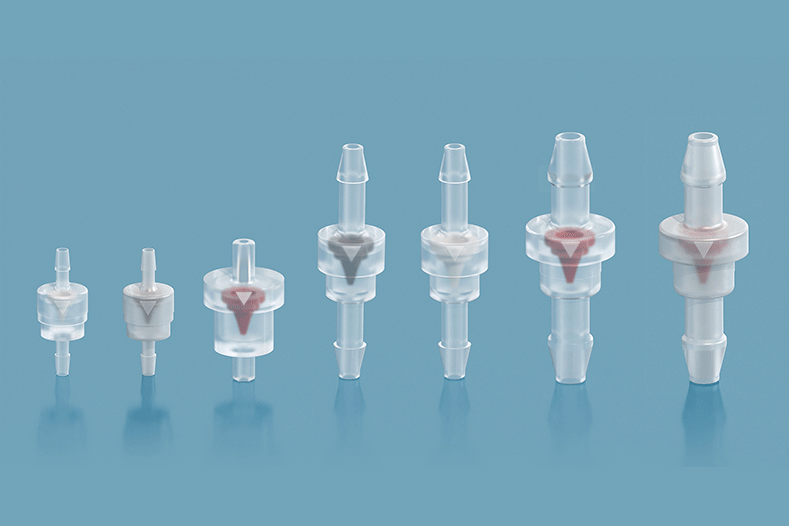
Match cracking behavior, pressure drop, wetted materials, and barb geometry to a microfluidic operating envelope.
Read article >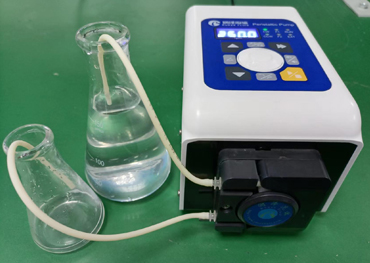
Use target flow, allowable speed, pressure, tubing life, and pump-head compatibility to narrow the inner-diameter range.
Read article >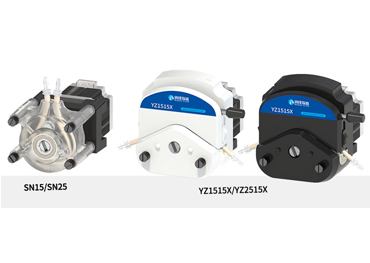
Treat catalog flow values as a starting point and build a test matrix around the selected tubing, pump head, and liquid.
Read article >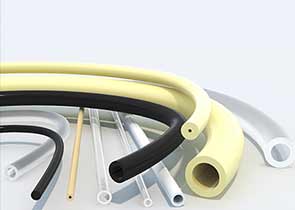
Choose tubing as a functional pump component by reviewing resilience, dimensions, chemical exposure, temperature, and replacement interval.
Read article >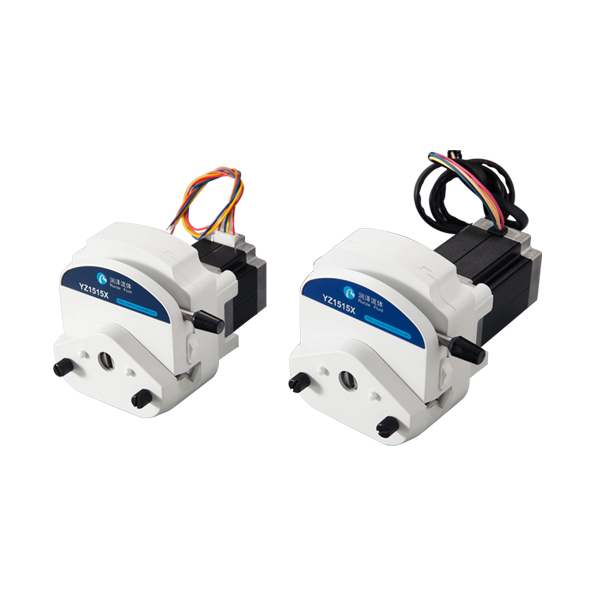
Use compatibility tables for screening, then test the exact silicone formulation, fluid, concentration, temperature, and exposure time.
Read article >Position feedback, switching accuracy, and verification methods for instrument fluidic valves.
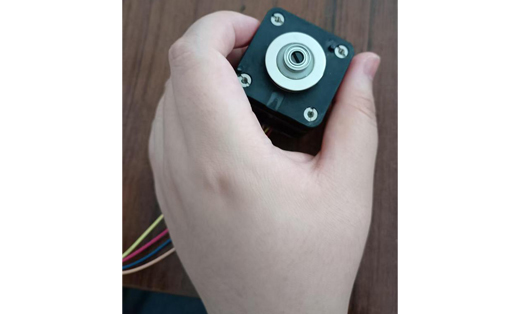
Compare encoder technologies through the complete instrument requirement: reference behavior, contamination tolerance, packaging, diagnostics, and control logic.
Read article >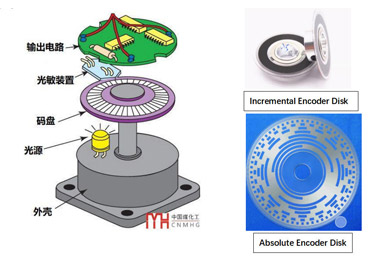
Verify commanded position, actual port connection, repeatability, and fluidic isolation with a documented test fixture.
Read article >System-level notes for installation, dispensing, carryover control, and component selection.
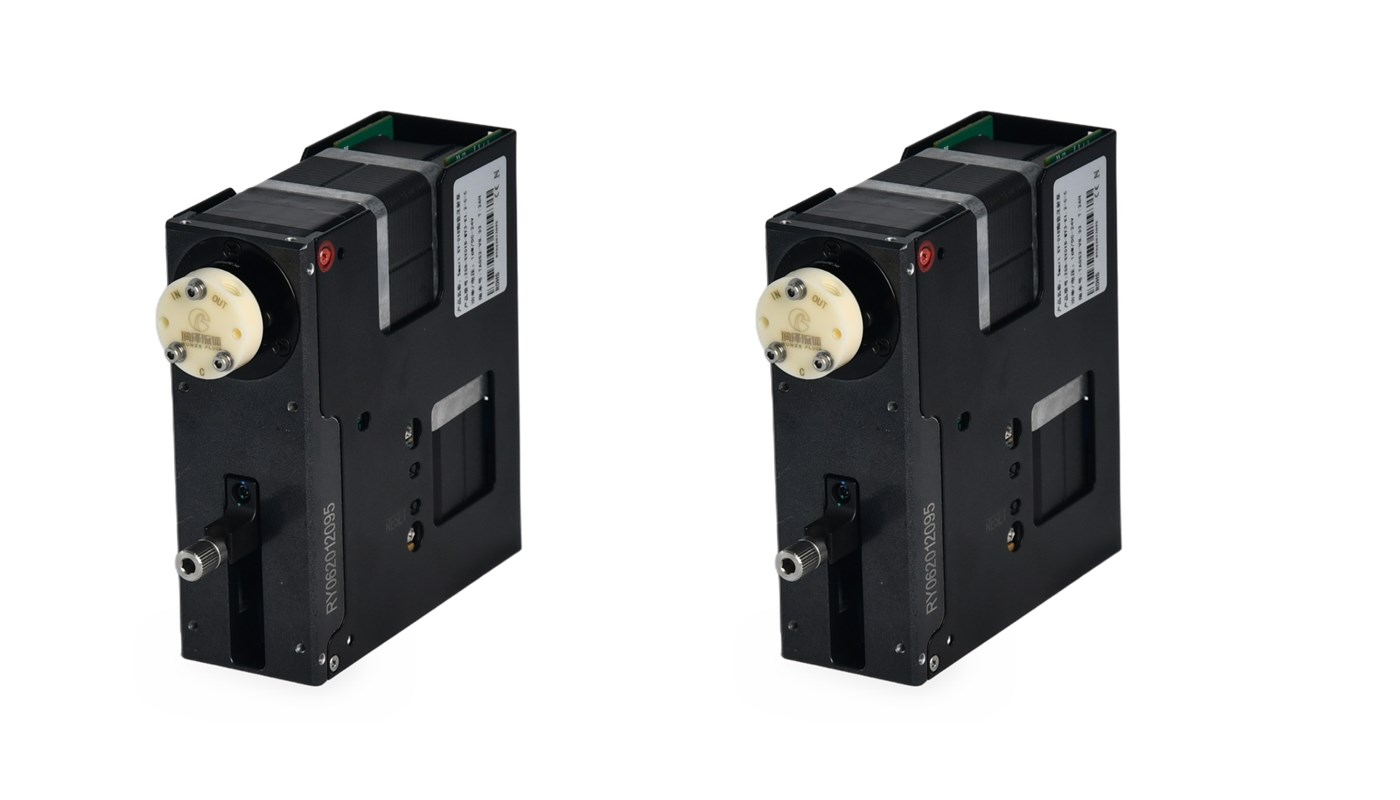
Evaluate alternating dispense and refill with two Smart SY-01BM pumps, including a traceable displacement calculation and system validation steps.
Read article >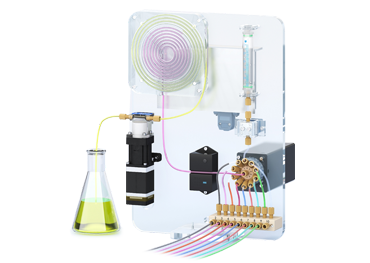
Reduce carryover by controlling residual volume, interfaces, valve sequencing, wash chemistry, and verification methods across the complete flow path.
Read article >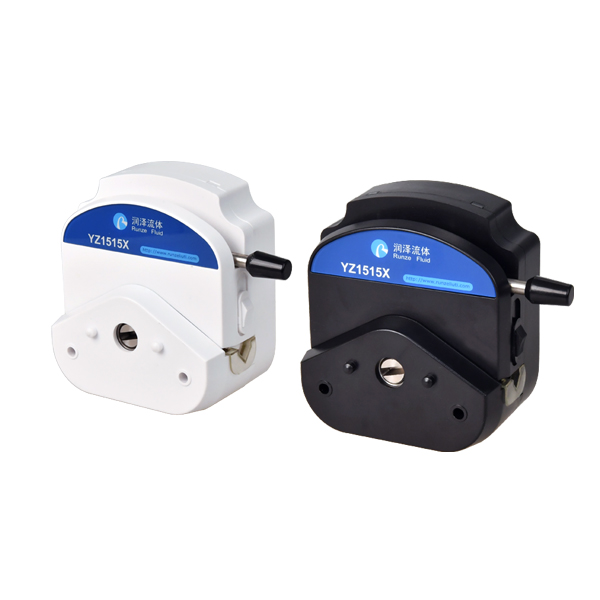
Install tubing without twist or unintended preload, set occlusion correctly, and confirm direction, priming, and leakage before use.
Read article >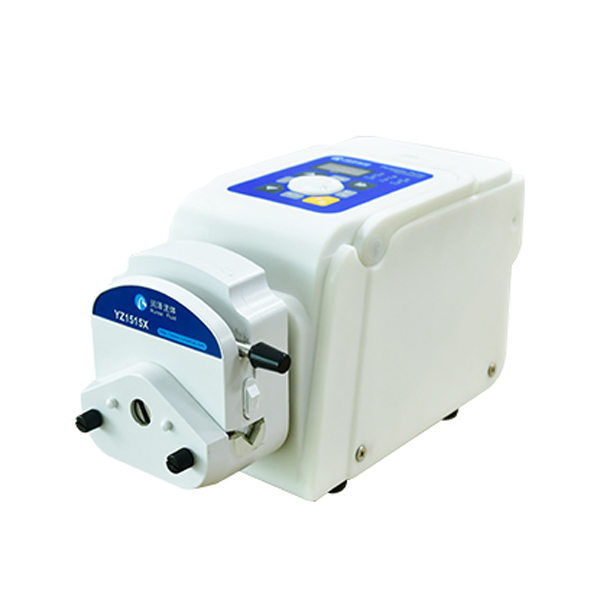
Build a repeatable droplet process by coordinating pump motion, outlet geometry, wetting, timing, and cut-off behavior.
Read article >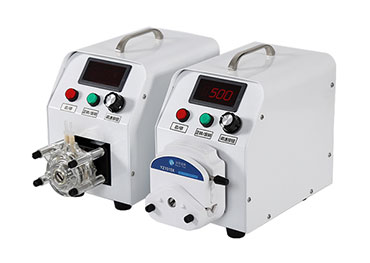
Decide whether a peristaltic pump fits the application by balancing fluid isolation and serviceability against pulsation, tubing wear, and pressure limits.
Read article >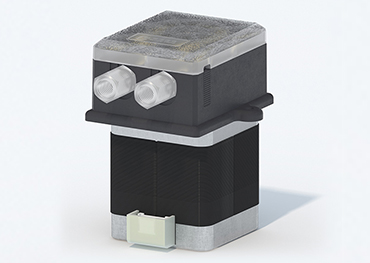
Select the drive, pump head, tubing, controls, and downstream hardware as one operating system rather than independent catalog items.
Read article >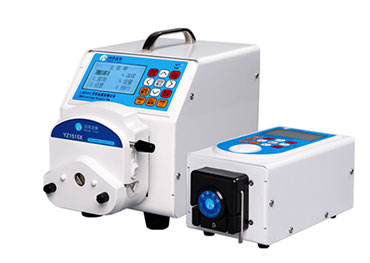
Short engineering answers to common questions about flow, suction, discharge conditions, calibration, pulsation, and tubing life.
Read article >Use the catalog center for English selection manuals, then confirm product-specific values with the current product page or Runze sales documentation.