
How to Install a Peristaltic Pump Head and Tubing
Install tubing without twist or unintended preload, set occlusion correctly, and confirm direction, priming, and leakage before use.
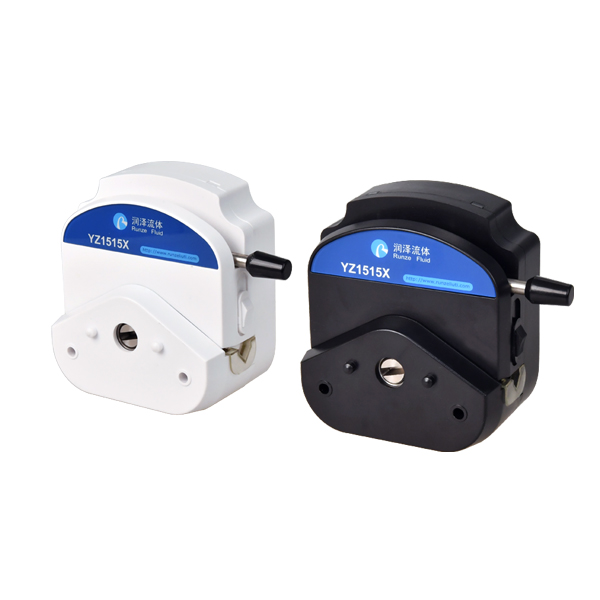
Correct installation protects the tubing from twist and unintended stretch while ensuring the head applies the designed occlusion. The exact loading method varies by pump head, so the current manual for the selected model remains the primary instruction.
Depressurize the fluid path and isolate power before working around rollers or moving parts.
Inspect before assembly
Confirm the head, drive, tubing part number, wall thickness, and size are compatible. Inspect rollers, guides, latches, fasteners, and the tubing track for contamination, damage, sharp edges, or residue.
Reject tubing with cuts, flattening, cracks, hard spots, contamination, or uncertain identity. Cut the required length cleanly and leave enough external length for routing without pulling on the head.
Load without twist or preload
Open the head using its intended mechanism, place the tubing along the track, and keep it centered. Do not stretch it to make it fit and do not trap a spiral twist under the rollers. Close and latch the head evenly.
Set adjustable occlusion only by the documented method. Excess compression can shorten tube life and raise motor load; insufficient compression can permit slip, backflow, or unstable flow.
Commission the installed path
Rotate or jog at low speed in the intended direction, watching tube tracking and listening for abnormal load. Prime the path, remove bubbles, and inspect every connection for leakage or movement.
Measure flow under normal suction and discharge conditions, then record installation date and calibration. Reinspect after the first operating period because tubing can settle into the track. Verify all model-specific steps and safety requirements in the current manual.
- Keep fingers, loose clothing, and tools away from moving rollers.
- Support external tubing so fittings and the head carry no side load.
- Recalibrate whenever tubing is reloaded or replaced.
Engineering takeaways
- Confirm exact head and tubing compatibility before loading.
- Avoid twist, stretch, contamination, and excessive occlusion.
- Prime, leak-test, and recalibrate after installation.