
Peristaltic Pump Engineering Guide
An engineering overview of peristaltic pump operation, strengths, limitations, and selection inputs.
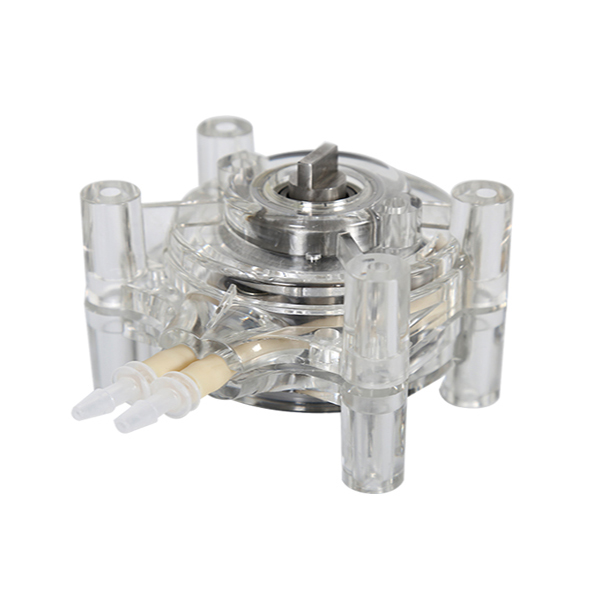
A peristaltic pump moves liquid by compressing flexible tubing in sequence. The fluid remains inside the tube, which can simplify cleaning and fluid-path replacement, but the tubing becomes a wear component that directly controls performance.
Good selection begins with the complete duty cycle rather than a single maximum-flow number.
Where the architecture fits
Peristaltic pumping is often useful when fluid isolation, fast tube replacement, reversible flow, self-priming behavior, or dry-running tolerance is important. It can support transfer, metering, sampling, wash, and dispensing functions when its pulsation and pressure behavior are acceptable.
It may be a poor fit when the process demands very low pulsation without damping, high pressure, extremely stable flow without calibration, or a tubing material that cannot tolerate the fluid and repeated compression.
Define the selection inputs
Record target and turndown flow, total delivery volume, allowable error, viscosity, solids, gas content, chemical exposure, temperature, suction lift, outlet pressure, service hours, noise limit, controls, and available space. Separate continuous duty from intermittent operation.
Then select the pump head and tubing together. Confirm tube size, wall thickness, hardness, material, number of channels, roller count, loading method, and replacement procedure against the current manual.
Plan controls and maintenance
Decide whether the instrument needs simple speed control, direction, start-stop input, analog command, serial communication, dispensing logic, calibration storage, or fault feedback. Verify the exact interface on the selected model rather than assuming that all drives provide the same functions.
Create a tube-inspection and replacement interval based on measured drift and physical condition. Protect the system against leaks, blocked outlets, loose tube loading, and unintended restart after service.
- Calibrate with the production liquid and installed line.
- Keep replacement tubing specifications controlled by part number and lot where necessary.
- Recheck delivery after maintenance or occlusion adjustment.
Engineering takeaways
- Use peristaltic pumping where its isolation and service benefits match the process.
- Select drive, head, and tubing as one system.
- Design calibration and tubing replacement into the operating procedure.