
How to Evaluate SY-06B as a Syringe Pump Alternative
A structured way to compare SY-06B with an existing syringe pump without assuming mechanical, electrical, or fluidic interchangeability.
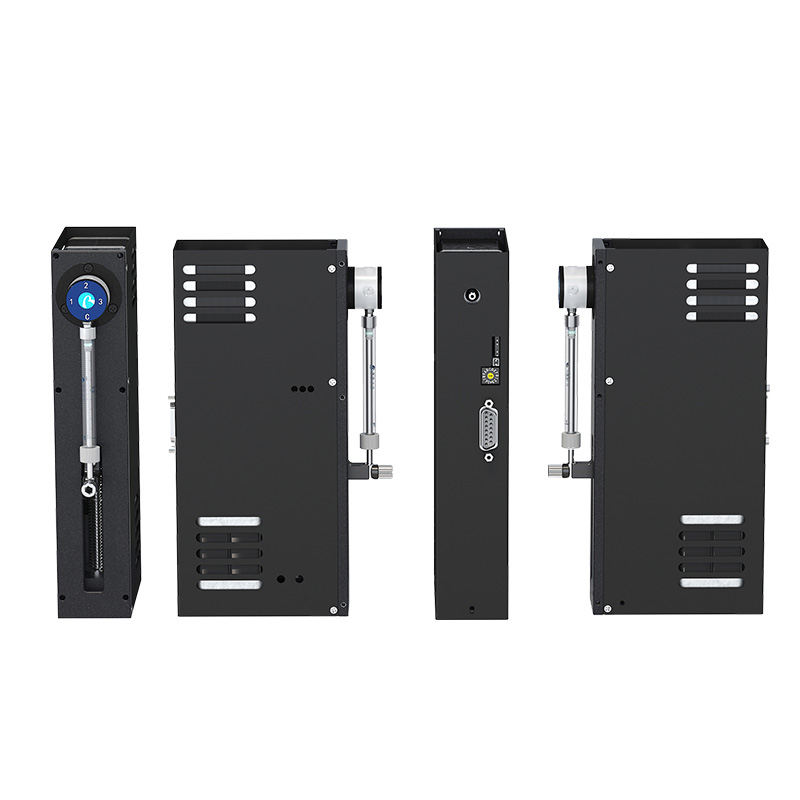
SY-06B can be evaluated when an instrument team needs another syringe-pump option, but it should not be treated as an automatic drop-in replacement for a Tricontinent or any other pump. Similar function does not establish interchangeability.
A defensible evaluation compares the fluidic, mechanical, electrical, communication, control, regulatory, and lifecycle interfaces that the existing instrument actually uses.
Build an interface comparison
Start with syringe volume options, wetted materials, valve configuration, port geometry, pressure range, stroke behavior, and expected service life. Then compare envelope dimensions, mounting points, connector locations, cable clearance, mass, and allowable orientation.
Electrical review should cover supply requirements, peak current, grounding, logic levels, external drivers, and electromagnetic compatibility. Communication review should compare the physical interface, command set, addressing, error responses, timing, homing, and recovery behavior.
- Do not map commands only by name; compare their actual state transitions.
- Identify every adapter, bracket, cable, fitting, and software change required.
- Confirm current SY-06B information with the latest Runze datasheet and manual.
Test the application, not just the pump
Use the target liquid path and test refill, prime, dispense, valve switching, stall handling, power interruption, reset, and communication loss. Measure volume accuracy, repeatability, pressure response, bubble behavior, carryover, and cycle time under normal and boundary conditions.
Run enough cycles to expose thermal effects, seal conditioning, wear, and intermittent faults. If the instrument depends on a specific alarm or diagnostic, verify that the replacement architecture produces an equivalent safe response.
Control the qualification decision
Create acceptance criteria before testing and record deviations from the existing design. A lower component cost can be offset by redesign, firmware, validation, documentation, inventory, or field-service work, so compare total implementation impact.
Where the instrument has regulatory or customer validation obligations, route the change through the applicable design-control process. The final decision belongs to the instrument manufacturer and must be supported by current product documents and application evidence.
Engineering takeaways
- SY-06B is not automatically a drop-in replacement.
- Compare every interface used by the existing instrument.
- Qualify with the real fluid path, control software, fault handling, and lifecycle requirements.